

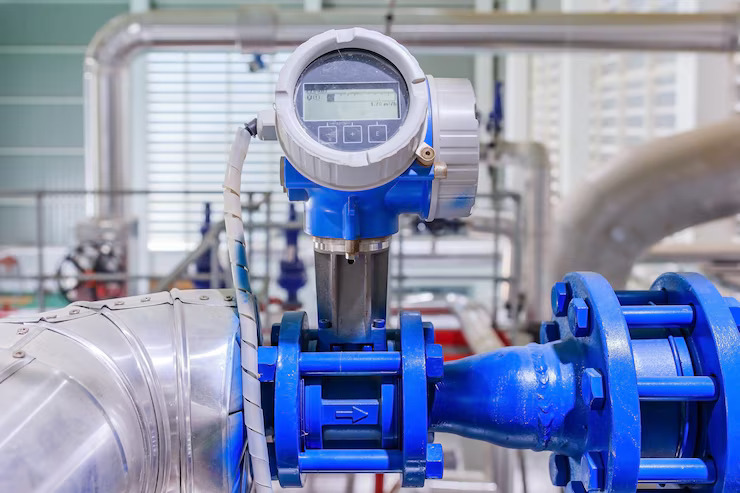
In today’s industrial landscape, where precision and safety are paramount, vibration sensors play a crucial role in monitoring the condition of machinery and structural health. These sensors help detect anomalies such as imbalance, misalignment, or bearing failures, enabling predictive maintenance and avoiding unexpected downtime. However, to ensure their reliability and performance, vibration sensor calibration becomes an essential process. This article delves into the importance, methods, and best practices of vibration sensor calibration.
What is Vibration Sensor Calibration?
Calibration is the process of configuring a sensor to provide a result within an acceptable range. For vibration sensors (such as accelerometers, velocity sensors, and displacement sensors), calibration involves comparing the sensor output against a known standard or reference. The purpose is to validate and adjust the sensor’s accuracy so that its readings reflect true vibration levels.
Why is Calibration Important?
- Accuracy and Reliability:
Over time, vibration sensors can drift due to environmental conditions, wear and tear, or aging components. Calibration ensures that the sensor readings remain accurate and reliable for effective monitoring and decision-making. - Compliance with Standards:
Many industries such as aerospace, automotive, manufacturing, and energy require compliance with national or international calibration standards (e.g., ISO 17025). Regular calibration helps meet these regulatory requirements. - Safety and Predictive Maintenance:
Accurate vibration data can signal early warning signs of machine failure. Calibrated sensors help avoid costly repairs and ensure workplace safety by allowing proactive interventions. - Data Integrity:
Inaccurate data leads to incorrect analysis and potentially flawed conclusions. Calibration maintains the integrity of the data collected for diagnostics and trend monitoring.
Types of Vibration Sensors and Their Calibration
- Accelerometers:
Measure acceleration forces. They are commonly calibrated using a comparison method or back-to-back method, where a reference accelerometer is used as the standard. - Velocity Sensors:
Convert vibration velocity into voltage. These sensors are typically calibrated using mechanical shakers that produce sinusoidal signals at various frequencies. - Displacement Sensors:
Measure the movement or displacement of a vibrating object. Their calibration usually involves laser interferometry or precise mechanical movement.
Methods of Calibration
- Back-to-Back Method:
A reference accelerometer and the sensor under test are mounted together on a vibrating platform. By comparing their outputs, deviations can be identified and corrected. - Laser Interferometry:
Offers high precision by using the interference of laser beams to measure very small displacements, often used for calibrating displacement sensors. - Shaker Table Calibration:
A mechanical shaker generates vibrations at known frequencies and amplitudes. The sensor’s output is compared with a reference device to determine its accuracy. - Charge Injection Calibration (for charge mode sensors):
Involves injecting a known electrical charge into the sensor’s electronics to simulate vibration input and test the sensor response.
Calibration Standards and Procedures
Calibration should follow international standards to ensure consistency and traceability. Some key standards include:
- ISO 16063 series: International standards for methods of calibration of vibration and shock transducers.
- IEC 60068-2-6: Environmental testing – Vibration (sinusoidal).
- ISO/IEC 17025: Requirements for the competence of testing and calibration laboratories.
Typical calibration steps:
- Mount the sensor on the shaker or test platform.
- Apply vibration at specific frequencies (e.g., 10 Hz to 10 kHz).
- Record the output signal from both the sensor and reference device.
- Analyze deviations and adjust sensor output if needed.
- Document the calibration results in a certificate.
Calibration Frequency
The frequency of calibration depends on:
- The criticality of the sensor application.
- Manufacturer recommendations.
- Environmental and usage conditions.
Best practice: Calibrate vibration sensors annually or bi-annually to ensure ongoing accuracy, unless a more frequent schedule is justified by usage or industry standards.
Challenges in Vibration Sensor Calibration
- Environmental factors: Temperature, humidity, and mechanical stress can impact the calibration setup and outcomes.
- Mounting methods: Poor mounting or resonance can introduce errors. A rigid, stable mounting surface is essential.
- Signal interference: Electrical noise or signal distortion can affect the accuracy of calibration.
Benefits of Using Accredited Calibration Services
Using ISO/IEC 17025-accredited calibration laboratories ensures:
- Traceability to national or international measurement standards.
- Documented calibration uncertainty.
- Competent and trained technicians.
- Compliance with audit and regulatory requirements.
Conclusion
Vibration sensor calibration is a fundamental process for maintaining accuracy and performance in industrial monitoring systems. Whether for predictive maintenance, safety monitoring, or quality control, calibrated sensors provide the reliable data required for informed decision-making. By investing in regular calibration, industries can ensure operational efficiency, reduce downtime, and protect critical assets.
As technology continues to evolve, automated and digital calibration solutions are also gaining popularity, making the process more efficient and accurate than ever before. Ensuring your vibration sensors are properly calibrated is not just a technical necessity—it’s a strategic advantage.