

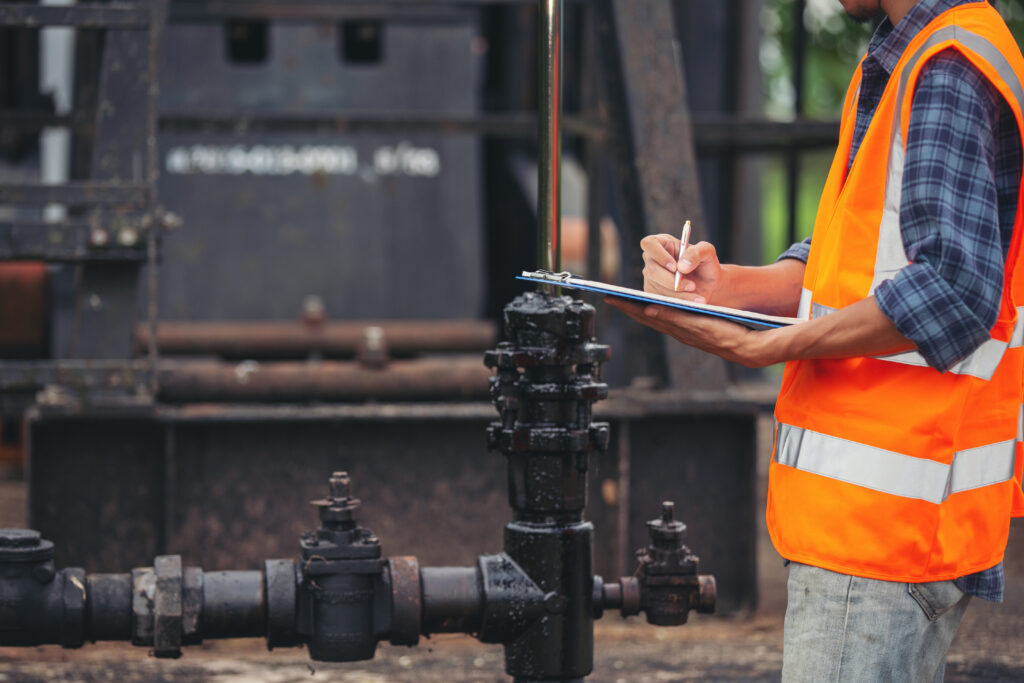
Flow meters are vital instruments used in a wide array of industries including oil and gas, water treatment, pharmaceuticals, and food processing. These devices measure the flow rate of liquids or gases through a pipe and are essential for maintaining quality, efficiency, and safety in industrial operations. However, the accuracy of flow meters can degrade over time due to wear and tear, environmental factors, or mechanical faults. This is where flow meter calibration plays a critical role.
What is Flow Meter Calibration?
Flow meter calibration is the process of comparing the readings of a flow meter against a known standard or reference to ensure its measurements are accurate. The goal is to detect any deviation and, if needed, adjust the meter to bring its readings within acceptable limits.
Calibration ensures that the flow meter delivers consistent and reliable readings over time. This process is typically done in a controlled environment such as a calibration lab, using certified equipment traceable to national or international standards.
Why is Flow Meter Calibration Important?
- Accuracy and Precision
Industries rely heavily on accurate flow measurements for product quality, billing, and safety. Even minor errors in flow readings can lead to significant financial losses or safety hazards. - Regulatory Compliance
Many industries are required to meet specific standards set by regulatory bodies. Regular calibration helps companies comply with ISO, ANSI, and other industry-specific regulations. - Improved Efficiency
Accurate flow measurements help in optimizing processes, reducing waste, and enhancing overall operational efficiency. - Cost Savings
Detecting discrepancies early through calibration can prevent expensive repairs, product recalls, or system downtimes.
How Flow Meter Calibration is Performed
The process of flow meter calibration typically involves the following steps:
1. Initial Inspection
Before calibration begins, the technician inspects the meter for any visible signs of damage or wear. They also review the meter’s specifications and previous calibration history.
2. Setup and Stabilization
The flow meter is connected to a calibration rig. The environment is stabilized to ensure consistent temperature and pressure—factors that can affect the readings.
3. Standard Measurement
A reference device with known accuracy is used to pass a controlled fluid through the meter. The amount of fluid measured by the reference is compared to the reading from the meter under calibration.
4. Data Collection
Multiple data points are collected across different flow rates. This helps in understanding how the meter performs under various operating conditions.
5. Adjustment and Tuning
If discrepancies are found, the technician may adjust the meter’s internal settings or apply a correction factor. Some digital meters allow for software-based tuning.
6. Documentation
A calibration certificate is issued, including the results, date, and technician’s signature. This document is crucial for audits and quality control.
Types of Flow Meter Calibration
- Gravimetric Calibration
This involves measuring the mass of liquid collected over time and comparing it to the flow meter reading. It is ideal for high-accuracy applications. - Volumetric Calibration
Here, the volume of liquid is measured using a volumetric tank. It’s commonly used in water and beverage industries. - Master Meter Method
A highly accurate reference meter (master meter) is placed in line with the meter under test. Their readings are compared across various flow rates. - Piston Prover Method
Common in oil and gas industries, this method uses a piston moving through a cylinder to simulate fluid flow.
Calibration Frequency
There is no one-size-fits-all rule for how often a flow meter should be calibrated. The frequency depends on:
- The criticality of the measurement
- Environmental conditions
- Manufacturer recommendations
- Usage intensity
In most cases, annual calibration is recommended, but some critical systems may require quarterly or even monthly checks.
Challenges in Flow Meter Calibration
- Fluid Properties: Different fluids (viscosity, density) can affect calibration accuracy.
- Environmental Variability: Temperature, pressure, and humidity can impact meter performance.
- Calibration Equipment: The accuracy of the calibration is only as good as the reference equipment used.
To overcome these, certified calibration labs use climate-controlled environments and maintain their reference equipment with traceability to national standards.
Choosing a Calibration Service Provider
When selecting a flow meter calibration provider, consider the following:
- Accreditation (e.g., NABL, ISO/IEC 17025)
- Experience in your specific industry
- Availability of documentation and traceability
- Turnaround time and customer support
Reputable calibration labs provide on-site services, minimizing downtime and allowing your operations to continue smoothly.
Conclusion
Flow meter calibration is not just a technical requirement—it’s a cornerstone of operational excellence. From maintaining regulatory compliance to ensuring product quality and safety, accurate flow measurement is indispensable. Regular calibration not only extends the life of your instruments but also enhances the efficiency and credibility of your operations.
In an increasingly competitive and regulated industrial landscape, investing in professional flow meter calibration is a smart, proactive strategy to keep your business flowing in the right direction.