

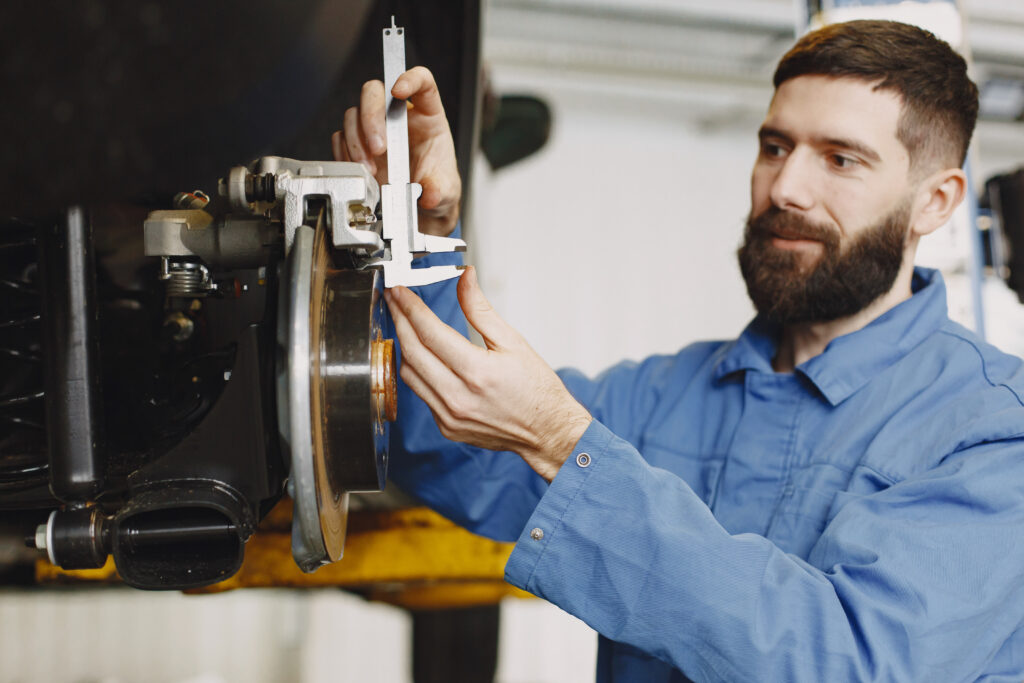
In industries where tightening fasteners, bolts, or nuts is a critical operation — from aerospace and automotive to manufacturing and construction — torque accuracy is essential. Even a slight deviation in torque can lead to equipment failure, safety hazards, or reduced product quality. That’s why torque calibration services play a vital role in maintaining precision and compliance across various sectors.
What is Torque Calibration?
Torque calibration is the process of verifying and adjusting the accuracy of a torque tool, such as a torque wrench, screwdriver, or torque sensor. It ensures the tool delivers the correct amount of torque (rotational force) as specified.
This calibration is performed using standardized equipment and reference instruments, which measure torque output and compare it against the required specifications. If deviations are found, the tool is adjusted to meet the defined standards.
Why is Torque Calibration Important?
1. Ensures Precision
Accurate torque tools are essential to avoid under-tightening (which can cause loose components) or over-tightening (which can damage threads or deform materials).
2. Maintains Safety
Incorrect torque can lead to mechanical failure, posing serious risks to operators, machinery, and the workplace.
3. Meets Industry Standards
Most industries follow strict ISO, ASTM, or OEM standards that mandate regular torque calibration for compliance and certification.
4. Extends Tool Life
Regular calibration and maintenance reduce wear and tear, keeping tools in optimal condition and reducing downtime.
5. Improves Product Quality
Proper torque ensures product consistency and reliability, especially in assembly lines, aerospace, and automotive sectors.
Tools That Require Torque Calibration
- Torque Wrenches (manual & digital)
- Torque Screwdrivers
- Torque Multipliers
- Torque Transducers
- Pneumatic and Hydraulic Torque Tools
- Click-Type, Beam-Type, and Dial-Type Tools
No matter the type or brand, all torque instruments need periodic calibration to ensure reliable performance.
Industries That Rely on Torque Calibration
- Automotive and Vehicle Manufacturing
- Aerospace and Aviation
- Construction and Civil Engineering
- Medical Device Manufacturing
- Power and Energy Plants
- Electronics and Electrical Assembly
- Oil & Gas and Heavy Machinery Industries
Each of these sectors relies heavily on accurate torque to ensure the safety and reliability of critical components and systems.
What Does a Torque Calibration Service Include?
1. Initial Inspection
Technicians inspect the torque tool for any visible wear, defects, or damage that could affect performance.
2. Measurement and Testing
The tool is tested using a torque calibration system with a certified torque transducer. The applied torque is compared with the indicated torque.
3. Adjustment (If Required)
If deviations are observed, the torque tool is adjusted to bring it back to acceptable limits, based on manufacturer or ISO standards.
4. Issuance of Calibration Certificate
After testing, a traceable calibration certificate is issued. It includes:
- Tool identification
- Date of calibration
- Measured values and tolerances
- Environmental conditions
- Technician details
- Next due date
Standards Followed in Torque Calibration
Torque calibration services typically adhere to standards such as:
- ISO 6789 (Hand torque tools)
- ASTM E2428 (Calibration of torque measuring devices)
- BS 7882 (Verification of torque measuring devices)
- ISO/IEC 17025 (General requirements for testing & calibration labs)
These standards ensure uniformity, traceability, and global acceptance of calibrated results.
Frequency of Torque Calibration
The frequency of calibration depends on:
- Usage Intensity – Tools used daily may need monthly or quarterly calibration.
- Manufacturer’s Recommendations – Typically every 6 to 12 months.
- Industry Regulations – Some sectors may require stricter schedules.
- Tool History – If a tool has been dropped, misused, or exposed to extreme environments, recalibration is recommended immediately.
In-House vs. Third-Party Calibration Services
While some large industries invest in in-house calibration labs, most companies prefer outsourcing torque calibration to accredited third-party providers. Here’s why:
Advantages of Third-Party Services:
- ISO/IEC 17025-accredited labs
- Certified professionals and equipment
- Cost-effective for periodic calibration
- Quick turnaround and documentation
- Traceability to national/international standards
Many service providers also offer on-site calibration for large facilities or during shutdowns to minimize operational disruptions.
Choosing the Right Torque Calibration Provider
When selecting a torque calibration service, consider the following:
- ISO/IEC 17025 Accreditation
- Calibration Equipment Standards
- Comprehensive Calibration Certificate
- Turnaround Time and Flexibility
- Customer Support and Service Contracts
- Availability of On-site Services
Reputed providers in India include NABL-accredited calibration labs and industrial testing agencies with multi-city coverage.
Conclusion
Torque calibration services are crucial to industrial accuracy, safety, and compliance. Regular calibration not only protects your workforce and equipment but also strengthens your reputation as a quality-focused organization.
Whether you operate in manufacturing, aerospace, or automotive sectors, investing in certified torque calibration ensures every bolt is tightened to perfection — because in critical operations, precision is everything.